Mount Rinjani is one of the main reasons travelers visit northern Lombok. Rising above the island, the volcano combines dramatic mountain scenery, a large crater lake, steep trails and high-altitude landscapes that are very different from the beaches of southern Lombok.
For travelers who enjoy hiking and outdoor adventures, Mount Rinjani can be one of the highlights of an Indonesia trip. It is also a destination that requires more planning than a normal beach holiday. Weather, route conditions, trekking schedules, accommodation and physical fitness all matter.
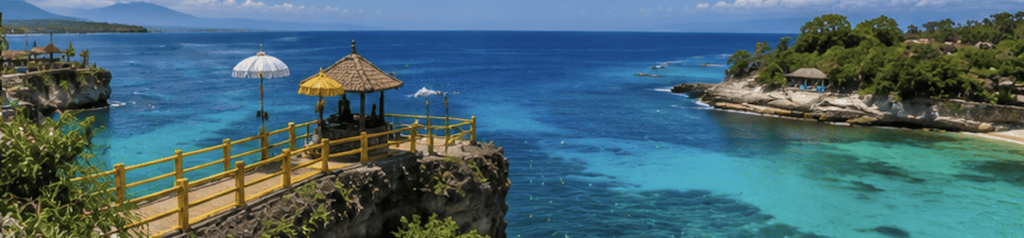
This Mount Rinjani travel guide explains what to expect, which areas are used as starting points, how long a trip usually takes, when to go and how to plan your visit without turning the mountain into an unnecessarily complicated part of your Lombok itinerary.
Quick Answer: Is Mount Rinjani Worth Visiting?
Yes, especially if you enjoy hiking, mountain scenery and challenging outdoor experiences.
Mount Rinjani is not the easiest attraction in Lombok, but the landscape is exceptional. The mountain offers panoramic views, volcanic terrain, crater scenery and a completely different experience from the island’s beaches.
You do not necessarily need to be an elite mountaineer, but you should be comfortable with long periods of walking, steep ascents and changing weather conditions.
If your main goal in Lombok is beaches and relaxation, Rinjani may not be necessary. If you want to add an adventure component to your trip, however, it is one of the island’s strongest options.
Where Is Mount Rinjani?
Mount Rinjani is located in northern Lombok within Mount Rinjani National Park.
The mountain dominates the northern part of the island and can be reached from several settlements around its slopes. The two names most commonly associated with trekking access are Senaru and Sembalun.
These areas offer very different landscapes. Senaru is surrounded by greener, more tropical scenery, while Sembalun has a more open highland landscape with broad valleys and agricultural fields.
For a broader overview of the island, start with our Lombok Travel Guide before deciding how Rinjani fits into your route.
Why Visit Mount Rinjani?
The attraction is not simply reaching the summit.
Rinjani offers several distinct landscapes during a trek, from tropical vegetation and forest trails to open mountain slopes, volcanic terrain and the spectacular crater area.
One of the most famous features is Segara Anak, the large crater lake located inside the volcanic caldera.
The combination of the lake, surrounding cliffs and volcanic landscape makes Rinjani visually different from many other hiking destinations in Indonesia.
For photographers and travelers who enjoy dramatic landscapes, the mountain can be just as rewarding as the physical challenge.
Senaru vs Sembalun
Senaru and Sembalun are the two main areas associated with Mount Rinjani trekking, and choosing the right starting point can affect the character of your trip.
Senaru
Senaru is located on the northern side of the mountain and is surrounded by lush vegetation and traditional rural landscapes.
The approach from Senaru is particularly associated with forested trails before the landscape becomes more exposed at higher elevations.
Travelers who want to explore waterfalls and the northern side of Lombok can also combine a Senaru stay with other attractions in the region.
Sembalun
Sembalun is located on the eastern side of Rinjani and has a very different visual character.
The area is known for open valleys, agricultural land and dramatic mountain views. The landscape becomes more exposed as you climb, which can make the route feel very different from the approach through Senaru.
Sembalun is also commonly associated with summit-focused trekking routes.
Mount Rinjani Trekking Routes
There are several possible ways to experience Rinjani, and the right route depends on how much time you have and what you want to see.
Some itineraries concentrate on the summit, while longer routes allow more time around the crater and lake.
Do not choose a route based only on the number of kilometers. Elevation gain, terrain, weather and the amount of time spent at high altitude can make a relatively short distance much harder than expected.
Summit-Focused Treks
Summit-focused itineraries are designed primarily around reaching the summit of Mount Rinjani and experiencing sunrise from high on the mountain.
These routes can involve very early starts and difficult sections on loose volcanic terrain.
The final ascent is particularly demanding because the terrain becomes steep and the surface can be loose underfoot.
Crater and Lake Treks
Longer itineraries can include the crater rim and Segara Anak crater lake rather than concentrating exclusively on the summit.
This option can be more appealing if you want to experience the mountain itself rather than simply checking the summit off a list.
The additional time also allows a more gradual itinerary, although the terrain remains physically demanding.
How Difficult Is Mount Rinjani?
Mount Rinjani should be treated as a serious hiking destination rather than a normal sightseeing attraction.
The difficulty comes from several factors: steep elevation changes, long walking days, uneven terrain, loose volcanic material and potentially cold or wet conditions at higher elevations.
The summit section can be particularly challenging. Walking on loose volcanic sand and gravel means that every step can require more effort than it would on a normal trail.
You should also consider your experience with long hikes before booking a trek.
If you regularly hike in mountains, the challenge may be manageable with appropriate preparation. If you rarely exercise or have little experience with long uphill walks, Rinjani can be significantly harder than it looks in photographs.
How Many Days Do You Need for Mount Rinjani?
A Rinjani trip can range from a relatively short trek to a longer mountain itinerary.
For many visitors, two or three trekking days provide a reasonable balance between seeing the major highlights and keeping the mountain section manageable.
Longer itineraries allow more time around the crater and lake and can reduce the pressure to move through the mountain as quickly as possible.
Do not forget to include the time required to reach the trekking area before and after your hike.
If you are planning a wider Lombok trip, a few days around Rinjani can be combined with the beaches of southern Lombok or the west coast.
Best Time to Visit Mount Rinjani
Weather is one of the most important factors when planning a Rinjani trip.
Mountain conditions can be very different from those on the coast. Rain, wind, clouds and visibility can change quickly at higher elevations.
The drier part of the year is generally more attractive for trekking, but conditions still vary and mountain weather cannot be guaranteed.
The trekking season can also be affected by temporary closures or restrictions, so check current information before making a non-refundable booking.
For the wider island climate and seasonal planning, see our Best Time to Visit Lombok guide.
What Is the Temperature on Mount Rinjani?
Temperatures on Rinjani are considerably lower than on the Lombok coast, particularly before sunrise and at higher elevations.
This is one of the easiest things for beach travelers to underestimate.
You may arrive in Lombok wearing shorts and a T-shirt because of the tropical heat, but mountain conditions require warm layers and protection from wind and rain.
A proper trekking operator should be able to advise you about the equipment required for the current conditions.
What to Pack for Mount Rinjani
Your packing list should be based on the mountain conditions rather than the weather you experience at your hotel.
- Warm layers for high elevations
- A waterproof jacket or rain protection
- Comfortable hiking shoes with good grip
- Headlamp or reliable flashlight
- Water bottle or hydration system
- Sun protection
- Small personal first-aid supplies
- Extra dry clothing
- Gloves for cold conditions
- Power bank
Keep your backpack as light as practical. Carrying unnecessary weight becomes increasingly uncomfortable during long ascents and descents.
Do You Need a Guide for Mount Rinjani?
Rinjani trekking should be planned through an appropriate trekking operator and according to the current rules for the national park.
Routes, access rules and operating requirements can change, so do not rely on an old blog post or a random social media recommendation when planning a trek.
A local trekking team can also provide equipment, food, route knowledge and support during the hike.
Before booking, confirm exactly what is included. Packages can differ considerably in terms of transport, meals, tents, sleeping equipment, porters and other services.
Where to Stay Before Mount Rinjani
You do not need to stay on the mountain before your trek. Most travelers spend a night in a nearby village or town before starting.
Senaru is a natural choice for travelers using the northern approach, while Sembalun works well for routes beginning on the eastern side.
If you are building a longer Lombok itinerary, you can also choose where to stay in Lombok based on the rest of your trip and add a mountain stay before the trek.
Travelers focused on the south can base themselves in Kuta Lombok for the beach portion of the holiday, then move north before starting Rinjani.
How to Get to Mount Rinjani
The exact transfer depends on where you are staying and which trekking route you choose.
Most visitors arrive in Lombok through Lombok International Airport and then continue by road towards the trekking area.
Transfers from southern Lombok take longer than traveling from the north, so allow enough time when connecting your beach stay with a Rinjani trek.
Our How to Get Around Lombok guide explains the main transport options for moving around the island.
Can You Visit Mount Rinjani Without Trekking?
You can visit the Rinjani region without completing a multi-day mountain trek.
The villages and landscapes around the mountain offer waterfalls, viewpoints, agricultural scenery and opportunities to experience a quieter side of Lombok.
Senaru is particularly useful as a base for exploring northern Lombok without committing to a summit trek.
This can be a good alternative for travelers who want to experience the mountain landscape but are not comfortable with the physical demands of a long high-altitude hike.
Mount Rinjani and a Lombok Itinerary
Rinjani works best when you build the rest of your Lombok itinerary around it rather than trying to squeeze the trek between two tightly scheduled beach days.
For example, you could spend several days around Kuta Lombok, travel north for the mountain section and then continue towards Senggigi or the Gili Islands.
Another option is to start with Rinjani and finish the trip with several relaxed days on the southern coast.
The second approach can be particularly comfortable because the physical effort of the trek is followed by several days with no demanding activities.
For first-time visitors, our Lombok for First-Time Visitors guide provides the wider context for combining the island’s different regions.
Mount Rinjani vs Lombok Beaches
These are completely different sides of the island.
The beaches around Kuta Lombok are about swimming, surfing, sunsets and relaxed days. Rinjani is about hiking, physical challenge, mountain scenery and early mornings.
You do not have to choose one or the other. Combining them is actually one of the best ways to experience how diverse Lombok can be.
Just make sure you leave enough recovery time after the trek before planning demanding activities or long transfers.
Is Mount Rinjani Suitable for Families?
Rinjani is not an easy family attraction and should not be approached like a normal day trip.
Families with older children and teenagers who already have hiking experience may consider an appropriate itinerary, but the route should be selected carefully and current conditions should be checked before departure.
For younger children, a shorter nature experience around the foothills may be a better option than a multi-day trek.
Mount Rinjani Travel Tips
- Check the current trekking status before booking.
- Allow extra time for transfers before and after the trek.
- Prepare for much colder conditions than on the Lombok coast.
- Do not underestimate the final ascent and loose volcanic terrain.
- Choose an operator that clearly explains what is included.
- Carry enough personal water and follow your trekking team’s advice.
- Keep your backpack as light as possible.
- Check weather and route conditions shortly before departure.
- Allow time to recover after a demanding trek.
- Respect the mountain environment and take all waste back with you.
Frequently Asked Questions About Mount Rinjani
How hard is Mount Rinjani?
Mount Rinjani is a challenging trek because of steep climbs, long walking days, uneven terrain and loose volcanic surfaces. The summit section can be particularly demanding.
How many days do you need for Mount Rinjani?
Many travelers choose a two- or three-day itinerary, although longer routes are possible. The best duration depends on the route, fitness level and how much time you want to spend around the crater and lake.
What is the best month to climb Mount Rinjani?
The best period depends on current trekking conditions and the annual weather pattern. The drier part of the year is generally more suitable for hiking, but conditions can change quickly in the mountains.
Can beginners climb Mount Rinjani?
Some beginners complete Rinjani with appropriate preparation and a suitable route, but it should not be considered an easy first hike. Physical preparation and realistic expectations are important.
Where should I stay before climbing Mount Rinjani?
Senaru and Sembalun are the main areas used by trekkers. Your choice should depend on the route you are taking and the location of your trekking operator.
Is Mount Rinjani worth visiting if I do not want to trek?
Yes. The surrounding region offers mountain scenery, waterfalls and rural landscapes. You will not experience the summit and crater lake in the same way as a trekker, but the northern part of Lombok is worth exploring independently.
Final Thoughts
Mount Rinjani is one of the defining experiences of Lombok, but it requires a different approach from a normal island holiday.
The mountain is best suited to travelers who are prepared for long hikes, changing weather and physically demanding terrain. In return, you get dramatic volcanic scenery, highland landscapes and the opportunity to experience one of Indonesia’s most impressive mountain environments.
The smartest approach is to plan Rinjani as one major component of your Lombok itinerary rather than treating it as a quick excursion. Choose the right route, allow enough time, prepare for mountain conditions and leave room to recover afterwards.
Planning a wider Southeast Asia trip?
Vietnam With Me — practical Vietnam travel guides
Cambodia With Me — practical Cambodia travel guides
Siam With Me — Thailand travel guides
Singapore With Me — Singapore travel guides