Yes, Indonesia is generally safe for tourists, and millions of international visitors travel around the country every year without serious problems. However, Indonesia is a huge and geographically diverse country, so the risks you encounter can vary considerably between Bali, Jakarta, Lombok, Java, Sumatra and more remote islands.
For most tourists, the biggest practical concerns are not serious crime but traffic, motorcycle accidents, scams, careless behavior around the sea, natural hazards, illness, alcohol-related problems and petty theft.
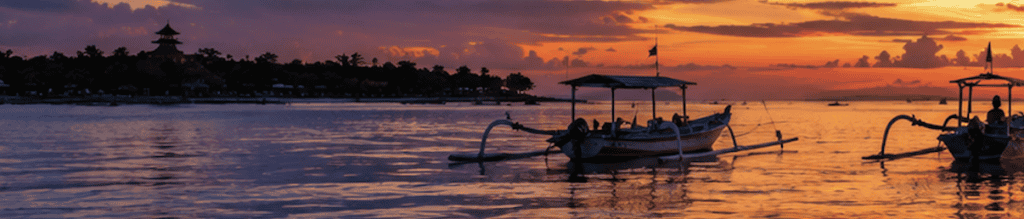
This guide explains the main things you should know before traveling to Indonesia and how to reduce the most common risks without spending your entire vacation worrying about safety.
If this is your first trip to Indonesia, our Indonesia for First-Time Visitors guide covers the wider practical questions about planning your trip.
Is Indonesia Safe for Tourists?
For the typical tourist itinerary, Indonesia is a reasonably safe destination.
Popular destinations such as Bali, Jakarta, Yogyakarta, Lombok and many major tourist areas have large numbers of international visitors and well-developed tourism infrastructure.
That does not mean that every part of Indonesia has the same safety conditions. Remote areas, regions affected by natural disasters, politically sensitive areas and places with limited infrastructure can require considerably more caution.
The best approach is to understand the specific risks of the destination you are visiting rather than treating Indonesia as one uniform safety environment.
What Are the Biggest Safety Risks in Indonesia?
For most tourists, the most important risks are relatively predictable.
- Road and motorcycle accidents
- Petty theft and pickpocketing
- Tourist scams
- Strong ocean currents and dangerous beaches
- Volcanic eruptions and earthquakes
- Flooding and landslides
- Heat, dehydration and mosquito-borne illnesses
- Food and water-related illness
- Alcohol-related incidents
- Problems caused by ignoring local laws and customs
Most of these risks can be reduced significantly with basic preparation and common sense.
Is Bali Safe for Tourists?
Bali is one of the most developed tourist destinations in Indonesia and is generally easy for international visitors to navigate.
However, Bali has some specific risks that tourists should take seriously.
Traffic is one of the biggest. Motorcycles are extremely common, roads can be congested and driving conditions can be unfamiliar to foreign visitors.
Ocean conditions are another important issue. Some beaches have strong currents, powerful waves or dangerous swimming conditions, even when the water looks calm from the shore.
Tourists should also be careful with valuables, alcohol, unfamiliar nightlife environments and unofficial transportation or tour services.
Is Indonesia Safe for Solo Travelers?
Yes. Many people travel around Indonesia alone.
Solo travel is particularly common in Bali, Java and other established tourist destinations.
However, traveling alone means you need to take more responsibility for your own decisions.
Tell someone where you are staying, keep important documents secure and avoid putting yourself in situations where you cannot easily get help.
At night, use reliable transportation rather than walking long distances through unfamiliar areas simply to save money.
Is Indonesia Safe for Female Travelers?
Many women travel around Indonesia independently without major problems.
As with solo travel anywhere, normal precautions are important.
- Keep an eye on your belongings in crowded places.
- Use reputable transportation at night.
- Be careful with alcohol and unfamiliar drinks.
- Share your itinerary with someone you trust.
- Research local customs before visiting religious or rural areas.
- Trust your instincts if a situation feels uncomfortable.
Dress expectations can also vary considerably between tourist beaches, cities, villages and religious sites. Respecting local customs usually makes travel easier and avoids unnecessary attention.
Is Indonesia Safe at Night?
Popular tourist areas can remain busy late into the evening, particularly in Bali and other major destinations.
However, being in a busy tourist area does not mean that every street is equally safe.
At night:
- stay in well-lit areas;
- avoid isolated streets and beaches;
- use reputable transportation;
- keep your phone and wallet secure;
- do not accept drinks from strangers;
- avoid excessive alcohol consumption.
If you are unsure about an area, ask your hotel or accommodation staff which routes and transportation options they recommend.
Is Indonesia Safe for Families?
Indonesia can be an excellent family destination, particularly when you choose accommodation and activities carefully.
The main concerns for families are usually traffic, swimming conditions, heat, dehydration and keeping children away from unsafe areas around roads, cliffs, rivers and volcanic zones.
Choose hotels with appropriate facilities and check whether beaches or pools are suitable for children before allowing them to swim.
Is It Safe to Ride a Motorcycle in Indonesia?
This is one of the biggest safety questions for tourists.
Motorcycles are an extremely common form of transportation in Indonesia, but riding one is not automatically safe simply because locals use motorcycles every day.
Traffic conditions can be chaotic, roads can be narrow or poorly maintained and driving habits may be very different from what you are used to at home.
If you are not an experienced motorcycle rider, renting a scooter just because it is cheap can be a bad decision.
If you do ride:
- wear a properly fitted helmet;
- carry the appropriate driving documentation;
- check that your travel insurance covers motorcycle use;
- avoid riding after drinking alcohol;
- slow down on unfamiliar roads;
- avoid riding in heavy rain when visibility is poor.
A motorcycle accident can turn an inexpensive holiday into a very expensive medical and logistical problem.
Is Grab Safe in Indonesia?
Ride-hailing services such as Grab are widely used by tourists and can be a practical alternative to negotiating with random drivers on the street.
Before getting into a vehicle, check that the driver’s name, vehicle and registration details match the information shown in the application.
Keep your belongings with you rather than leaving valuable items in the vehicle.
For longer journeys, check the route and estimated travel time before starting the trip.
Are Taxis Safe in Indonesia?
Official and reputable taxi companies are generally a reasonable transportation option.
The main problem for tourists is often not the existence of taxis but choosing an unofficial driver or agreeing to an unclear price.
Whenever possible, use a reputable taxi company, an established booking system or a clearly metered service.
If a driver refuses to use the agreed meter or suddenly changes the price, it is usually better to choose another option.
Is Pickpocketing Common in Indonesia?
Petty theft can occur, particularly in crowded tourist areas, markets, public transportation and busy nightlife districts.
You do not need to walk around constantly worrying about your wallet, but you should avoid making yourself an easy target.
- Keep your phone secure in crowded places.
- Use a zipped bag when possible.
- Do not leave valuables unattended on tables.
- Avoid carrying large amounts of cash.
- Keep your passport in a secure location.
It is also sensible to keep a digital copy of your passport and important travel documents separately from the originals.
Are Tourist Scams Common in Indonesia?
Tourist scams exist in Indonesia, as they do in most major travel destinations.
They are usually more annoying than dangerous, but they can still cost you significant amounts of money.
Common situations include:
- unofficial transportation prices;
- inflated prices for tourist services;
- misleading currency exchange rates;
- unofficial ticket sellers;
- commission-based shopping stops;
- fake or misleading tour offers.
The simplest protection is to check prices in advance and use established businesses whenever possible.
Is It Safe to Exchange Money in Indonesia?
Yes, but choose reputable money changers.
A suspiciously attractive exchange rate can sometimes be a warning sign rather than a bargain.
Count your money carefully before leaving the counter and avoid informal street exchanges.
For more information about using cash, cards and Indonesian currency, see our Indonesia Currency Guide.
Is Credit Card Use Safe in Indonesia?
Cards are widely accepted in established hotels, restaurants, shopping centers and other businesses in major tourist destinations.
However, you should not assume that every business accepts cards, especially in smaller towns and remote islands.
Keep some Indonesian rupiah available for small purchases, transportation and places that do not accept cards.
When paying by card, check the amount on the terminal before confirming the transaction.
Is Street Food Safe in Indonesia?
Street food is an important part of the Indonesian travel experience, and many tourists eat it without problems.
The main issue is food hygiene rather than the fact that the food is sold on the street.
Look for stalls with high customer turnover and food that is cooked fresh at high temperatures.
Be more cautious with food that has been sitting uncovered for long periods, particularly in hot weather.
Can You Drink Tap Water in Indonesia?
Tourists generally should not assume that tap water is suitable for drinking everywhere in Indonesia.
For drinking, use bottled or properly filtered water when you are unsure about the local water supply.
Also check that bottled water has an intact seal before drinking it.
When brushing your teeth, travelers with sensitive stomachs may also prefer to use bottled or filtered water.
Is Alcohol Safe in Indonesia?
Alcohol requires particular caution in Indonesia.
In some tourist areas, counterfeit or improperly produced alcohol can cause serious poisoning.
Buy alcoholic drinks from reputable hotels, restaurants, bars and shops rather than accepting unknown homemade spirits or suspiciously cheap alcohol.
Never leave your drink unattended and avoid accepting drinks from strangers.
Alcohol can also make other travel risks worse, particularly motorcycle accidents, falls, swimming accidents and poor decision-making at night.
Are Drugs Legal in Indonesia?
No. Indonesia has extremely strict drug laws.
Do not assume that rules from your home country apply in Indonesia.
Possession, use, trafficking and other drug-related offenses can carry severe penalties.
Never carry a package, suitcase or substance for another person unless you know exactly what it is and why you are carrying it.
What Natural Disasters Should Tourists Know About?
Indonesia is located in a region with significant geological and climatic activity.
Travelers can encounter:
- earthquakes;
- tsunamis;
- volcanic eruptions;
- flooding;
- landslides;
- severe storms and heavy rainfall.
This does not mean that tourists should be afraid to visit Indonesia. It means that you should pay attention to local warnings and understand the conditions in the destination you are visiting.
Weather can also affect transportation, particularly during periods of heavy rain. Our Indonesia Weather by Month guide can help you understand seasonal conditions before planning your trip.
Are Volcanoes Dangerous in Indonesia?
Indonesia has many active volcanoes, several of which are popular tourist destinations.
Visiting a volcano can be perfectly reasonable when you follow the official access rules.
The problem begins when tourists ignore exclusion zones, climb beyond permitted areas or continue an excursion after authorities have issued warnings.
If you are visiting a volcano:
- check the current alert level;
- follow official exclusion zones;
- use an experienced local guide where appropriate;
- do not climb closed routes;
- pay attention to evacuation instructions;
- check whether volcanic activity could affect flights.
Are Earthquakes Common in Indonesia?
Earthquakes are a natural hazard in Indonesia.
Most travelers will never experience a serious earthquake, but knowing what to do is still worthwhile.
If an earthquake occurs indoors, protect yourself from falling objects and follow local emergency instructions.
If you are near the coast and experience a strong or prolonged earthquake, move away from the shoreline and follow official tsunami warnings.
Do not return to the coast simply because the first wave has passed. Follow the instructions of local authorities.
Are Indonesian Beaches Safe?
Some beaches in Indonesia are very safe for swimming, while others can have strong currents, large waves, reefs, rocks or sudden changes in water depth.
Never assume that a beautiful beach is automatically safe.
Before swimming, check local warnings and observe where other people are entering the water.
If a beach has warning flags or signs prohibiting swimming, follow them.
Is Surfing Safe in Indonesia?
Indonesia is one of the world’s major surfing destinations, but surfing conditions can be dangerous for inexperienced visitors.
Strong waves, reefs, currents and changing weather conditions can create serious risks.
Beginners should use established surf schools and avoid entering unfamiliar breaks alone.
Are Snorkeling and Diving Safe in Indonesia?
Snorkeling and diving can be excellent activities in Indonesia, but conditions vary considerably between locations.
Use reputable operators with appropriate equipment and experienced guides.
Pay attention to currents, weather conditions, boat traffic and your own experience level.
Do not underestimate currents simply because the water looks calm from the surface.
Is Indonesia Safe During the Rainy Season?
Travel during the rainy season can still be perfectly enjoyable, but heavy rainfall can increase the risk of flooding, landslides, slippery roads and transportation delays in some areas.
Conditions vary significantly between Indonesian islands, so check the specific destination rather than assuming that the entire country has the same weather.
Our Indonesia Weather by Month guide provides a broader overview of seasonal conditions.
Are Mosquitoes a Problem in Indonesia?
Mosquitoes are common in tropical Indonesia.
Some mosquito-borne diseases occur in the country, so preventing mosquito bites is a sensible travel precaution.
- Use insect repellent.
- Wear appropriate clothing in areas with many mosquitoes.
- Use air conditioning or screens where available.
- Use mosquito nets where appropriate.
- Follow current health advice for the destinations you plan to visit.
If you develop a significant fever or other concerning symptoms during or after your trip, seek medical advice and mention your recent travel.
What Should You Do If You Get Sick in Indonesia?
For minor problems, pharmacies and clinics are available in major tourist destinations.
For more serious problems, seek professional medical care rather than relying on self-treatment.
This is another reason why travel insurance is worth considering, particularly if your itinerary includes diving, surfing, motorcycle riding, hiking or other activities with a higher injury risk.
Is Indonesia Safe for LGBTQ+ Travelers?
Indonesia is culturally diverse, and attitudes toward LGBTQ+ people vary significantly by region.
Tourist areas can be more accustomed to international visitors, while some regions have more conservative social and religious norms.
Travelers should research local conditions and respect local laws and customs.
Public behavior that is accepted in one destination may attract unwanted attention in another.
Is Indonesia Safe for Religious and Cultural Tourism?
Yes, but visitors should respect local customs.
When visiting temples, mosques and other religious sites:
- dress appropriately;
- follow entrance rules;
- observe photography restrictions;
- do not disturb religious ceremonies;
- follow instructions from staff or local authorities.
In Bali and other destinations, some religious ceremonies and sacred areas have specific rules that tourists are expected to respect.
Should You Carry Your Passport in Indonesia?
Keep your passport secure, but you may need identification during your travels.
For day-to-day sightseeing, many travelers prefer carrying a secure copy while keeping the original passport protected at their accommodation when it is not required.
Always follow the specific identification requirements applicable to your situation and keep the original document accessible when necessary for transportation, immigration or other official procedures.
How to Keep Your Money and Phone Safe
You do not need expensive anti-theft equipment to protect your belongings in Indonesia.
Simple habits work well:
- keep your phone secure when walking near traffic;
- avoid placing wallets in open back pockets;
- do not leave phones on restaurant tables near busy streets;
- use hotel safes for valuables when appropriate;
- keep backup payment methods separately from your main wallet.
What Should You Do in an Emergency?
If something serious happens, contact the appropriate local emergency service and your travel insurance provider as soon as practical.
Keep the address of your accommodation saved on your phone and have important contact information available offline.
If you lose your passport, contact your embassy or consulate for assistance with replacement travel documentation.
Is Indonesia Safe for First-Time Visitors?
Yes. Indonesia can be a very manageable destination for first-time travelers if you avoid unnecessary risks and plan the basics in advance.
The biggest mistakes are usually simple ones: renting a motorcycle without sufficient experience, ignoring ocean warnings, drinking excessively, trusting unofficial sellers, carrying valuables carelessly or ignoring weather and volcanic warnings.
You do not need to be overly cautious about every interaction. You simply need to recognize the situations where a little extra attention makes a significant difference.
Indonesia Safety Checklist for Tourists
Before and during your trip, remember these basic rules:
- Keep copies of your passport and important documents.
- Use reputable transportation.
- Wear a helmet whenever riding a motorcycle.
- Do not ride after drinking alcohol.
- Be careful when swimming in unfamiliar waters.
- Respect volcanic exclusion zones.
- Pay attention to earthquake, tsunami and weather warnings.
- Use reputable money changers.
- Protect your phone and wallet in crowded places.
- Be cautious with alcohol from unknown sources.
- Do not carry drugs.
- Respect local laws and customs.
- Have appropriate travel insurance.
Frequently Asked Questions
Is Indonesia safe for tourists?
Yes. Indonesia is generally a safe destination for tourists, particularly in established tourist areas. Travelers should still take normal precautions and pay attention to local risks such as traffic, theft, natural hazards and changing weather conditions.
Is Bali safe for tourists?
Yes. Bali is one of Indonesia’s most developed tourist destinations, but visitors should be particularly careful with motorcycle traffic, ocean conditions, alcohol and petty theft.
Is Indonesia safe for solo travelers?
Yes. Many people travel around Indonesia alone. Solo travelers should use reputable transportation, protect their belongings and avoid unnecessary risks at night or in unfamiliar areas.
Is Indonesia safe for female travelers?
Many women travel around Indonesia independently. Normal precautions, awareness of local customs and sensible choices about transportation and nightlife are recommended.
Is it safe to ride a scooter in Indonesia?
It can be dangerous for inexperienced riders. Traffic, road conditions and unfamiliar driving habits create significant accident risks. If you ride, use a proper helmet, carry the required documentation and make sure your insurance covers motorcycle use.
Is Indonesia safe at night?
Popular tourist areas can be busy at night, but travelers should still avoid isolated areas, use reputable transportation and be careful with alcohol and valuables.
Is street food safe in Indonesia?
Street food can be safe when it is freshly prepared and cooked thoroughly. Choose busy stalls with high turnover and avoid food that has been sitting uncovered for long periods.
Can tourists drink tap water in Indonesia?
Travelers should not assume that tap water is safe to drink everywhere in Indonesia. Bottled or properly filtered water is the safer choice when you are unsure about the local supply.
Are there dangerous animals in Indonesia?
Indonesia has wildlife that can be dangerous in certain environments, but most tourists are unlikely to encounter serious problems. Follow local guidance when visiting forests, national parks, marine areas or other natural environments.
What is the biggest safety risk for tourists in Indonesia?
For many visitors, road and motorcycle accidents are a more practical everyday risk than serious violent crime. Natural hazards, ocean conditions, petty theft and alcohol-related incidents are also important considerations.
Final Verdict: Is Indonesia Safe?
Yes, Indonesia is generally safe for tourists. You do not need to avoid the country because of safety concerns, but you should understand that different destinations have different risks.
For most travelers, staying safe comes down to a few basic decisions: use sensible transportation, protect your valuables, be careful with alcohol, respect the ocean, follow natural-disaster warnings and obey local laws.
Indonesia is a large country, so conditions can change significantly from one island to another. Check the weather and local conditions before traveling to remote areas, and do not ignore official warnings simply because other tourists appear to be continuing their plans.
For a broader overview of planning your trip, see our Indonesia Travel Guide. If this is your first visit, our Indonesia for First-Time Visitors guide is the best place to continue.
Related guides: 25 Essential Indonesia Travel Tips You Must Know
Planning a wider Southeast Asia trip?
Vietnam With Me — practical Vietnam travel guides
Cambodia With Me — practical Cambodia travel guides
Siam With Me — Thailand travel guides
Singapore With Me — Singapore travel guides
Pingback: Is Bali Safe? Safety Tips for First-Time Visitors